Preserving Antique Books at Home
Owning an antique book is like possessing a piece of history. However, the physical materials—leather, rag paper, and organic glues—are susceptible to decay. In a coastal city like Sydney, the combination of humidity and salt air can accelerate the degradation of rare volumes if they are not managed correctly.
Preservation is not about making a book look new; it is about slowing down the natural process of ageing. By implementing professional standards in your home library, you can ensure your collection remains intact for future generations.
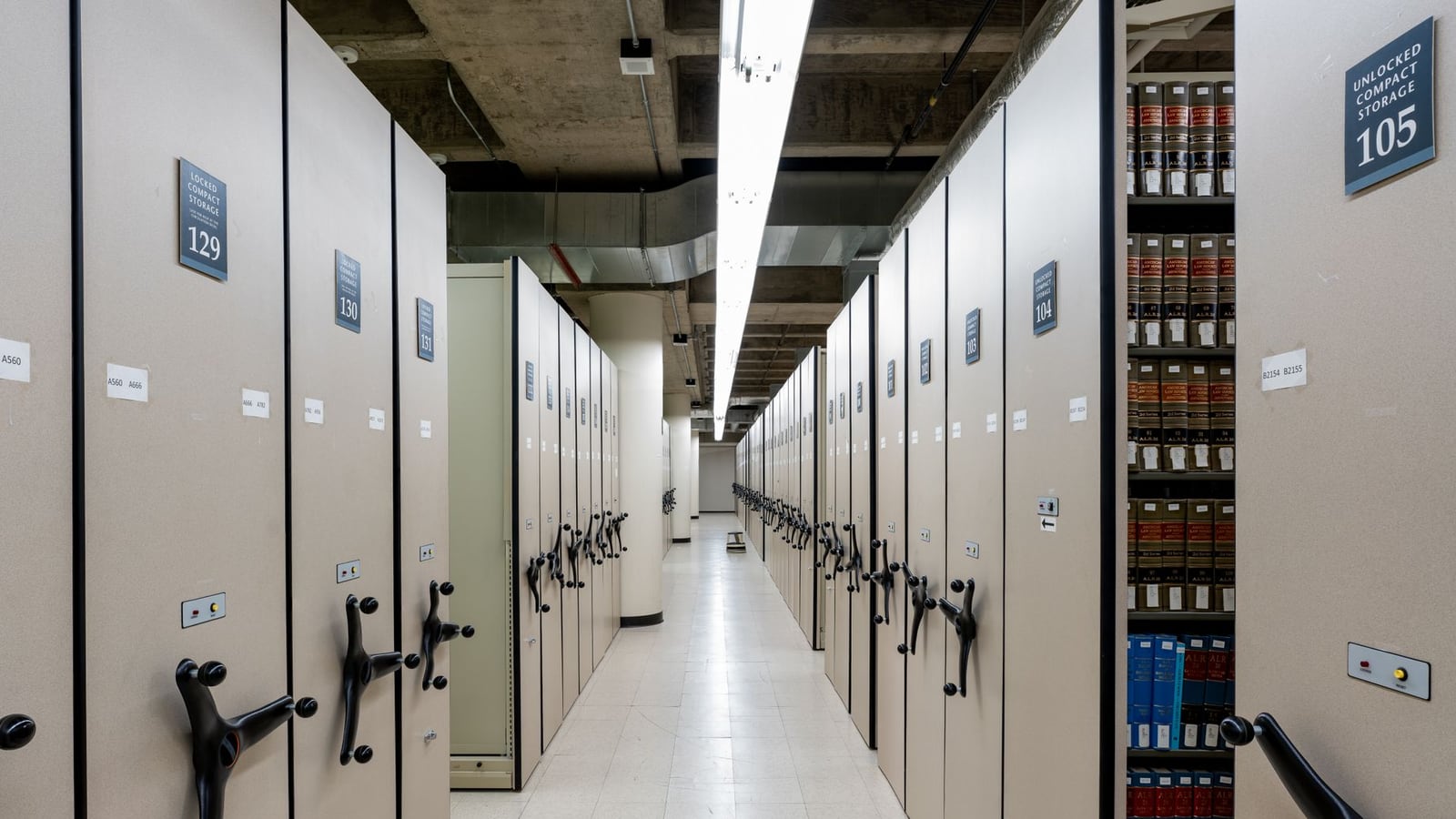
Managing the Sydney Climate
The primary enemy of old books in New South Wales is fluctuating humidity. High humidity encourages the growth of mould and foxing (the reddish-brown spots often seen on old paper), while excessive dryness can make leather covers brittle and prone to cracking.
Ideally, books should be kept in an environment with a stable temperature between 18°C and 22°C and a relative humidity of 45% to 55%. In Sydney homes, this often means avoiding the placement of bookshelves against external walls, which can develop condensation during winter, or directly opposite air-conditioning vents that dry out the paper.
Light Exposure and UV Protection
Ultraviolet (UV) light is destructive. It fades spines, yellows pages, and weakens the chemical structure of the paper. Direct sunlight is the most aggressive factor, but even strong indoor fluorescent lighting can cause cumulative damage over time.
To protect your collection, use UV-filtering films on windows or keep your most valuable volumes in areas of the room that receive no direct sunlight. If you are displaying a particular edition, consider rotating it periodically to avoid uneven fading.
Correct Shelving Techniques
How a book sits on a shelf determines its structural longevity. Books should be stored upright, supported by their neighbours to prevent leaning, which can warp the spine. However, oversized folios or very heavy volumes should be stored flat to avoid putting undue stress on the binding.
Avoid packing books too tightly; you should be able to slide a finger easily between volumes. Pulling a book from the shelf by the top of the spine (the headcap) is a common mistake that leads to tearing. Always push the neighbouring books back slightly and grasp the book by the middle of the spine.
| Factor | Risk | Preservation Action |
|---|---|---|
| Humidity | Mould & Foxing | Use a dehumidifier in damp rooms |
| Light | Fading & Brittleness | Keep away from windows/UV rays |
| Position | Spine Warping | Store upright or flat (if heavy) |
| Handling | Torn Headcaps | Support the spine when removing |
Handling and Cleaning
Clean hands are the most basic requirement for preservation. While the "white glove" myth is common, most conservators prefer clean, dry hands over gloves, which can reduce tactile sensitivity and lead to accidental page tears.
To remove surface dust, use a soft-bristled brush or a vacuum with a micro-attachment, moving from the spine outwards. Never use liquid cleaners, oils, or commercial "leather conditioners" on antique bindings, as these can penetrate the pores of the leather and cause permanent staining or chemical reactions.
The Role of Custom Enclosures
For books that are already fragile, a custom enclosure is a highly effective defence. A tailored slipcase or a clamshell box protects the book from dust, light, and accidental bumps. It also provides structural support, preventing the covers from sagging.
If you have a volume with a detached board or a crumbling spine, a custom box is essential until you can arrange for professional repair. You can explore our options for custom book boxes and slipcases to secure your collection.
When to Call a Professional
There is a fine line between home care and restoration. Attempting to glue a detached page or tape a tear with commercial adhesive can cause irreversible damage. Acidic glues used in home repairs often burn through the paper over time.
You should contact a specialist if you notice:
- Active mould growth (fuzzy patches or musty smells).
- "Red rot" (leather turning into a fine red powder).
- Severely detached covers or broken joints.
- Brittle pages that crack when turned.
For these issues, we provide specialised antique book repair services in our Sydney workshop to stabilise and restore your volumes.
Quick Preservation Tips
Should I use bookmarks?
Avoid using dog-ears or thick clips. Use a thin piece of acid-free paper or a professional ribbon marker to avoid stressing the gutter of the book.
Is it okay to store books in the attic or basement?
No. Attics are too hot and basements are too damp. Both environments are high-risk zones for temperature swings and moisture ingress.
If you are currently expanding your collection and are unsure about which binding styles are most durable for your needs, we recommend reading our guide on how to choose the right binding.
For a personal assessment of your library's condition, please contact us to arrange a consultation at our Surry Hills studio.