Antique Book Repair & Conservation
Preserving the physical legacy of written history through meticulous, archival-grade restoration and conservation techniques in the heart of Sydney.
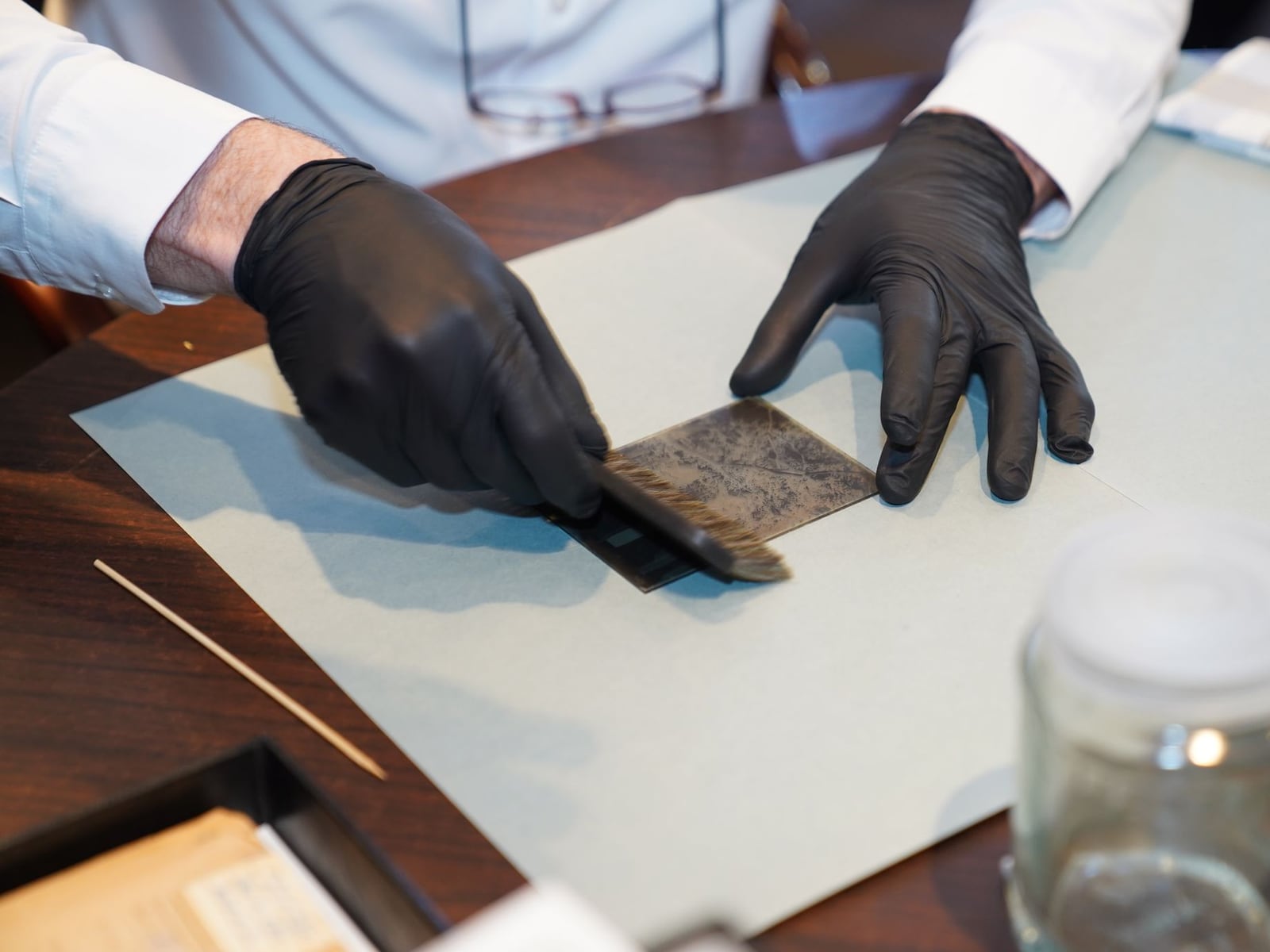
The passage of time is often unkind to the materials of the book. Acidic paper becomes brittle, leather bindings crack and peel, and structural adhesives fail, leaving precious volumes vulnerable to further decay. Antique book repair is not merely about making a book look new again; it is a disciplined practice of conservation aimed at stabilising the object and ensuring its longevity for future generations. At Klepticelyx, we treat every volume as a unique artefact, balancing the need for structural integrity with the imperative to preserve the book's historical character.
Our approach to conservation is rooted in the principle of minimal intervention. We utilise materials that are chemically stable and, where possible, reversible, ensuring that our work does not compromise the future ability of other conservators to treat the volume. Whether it is a family Bible with a detached spine or a rare 19th-century ledger with severe water damage, our process is tailored to the specific needs of the paper, ink, and binding materials present. We focus on slowing the degradation process and restoring the book to a usable, stable condition.
The Conservation Process
Who Requires Antique Book Repair?
Our conservation services are designed for a diverse range of clients who hold books of significant sentimental or historical value. Private collectors often seek our expertise to protect their investments from environmental decay or to repair damage caused by improper storage. Family historians entrust us with ancestral records, journals, and Bibles that have been passed down through generations and now require structural reinforcement to remain readable.
Additionally, we work with small libraries and private archives that lack in-house conservation facilities. These institutions require a professional touch to ensure that their rare volumes are handled according to international archival standards. Artists and researchers who utilise old texts as primary sources also frequent our workshop to ensure the stability of their reference materials. If a book is too fragile to be opened without risking the loss of pages, it is a candidate for professional repair.
How the Restoration Work is Conducted
Every project begins with a consultation. Because no two antique books are the same, we do not apply a "one size fits all" method. We analyse the type of leather—be it goatskin, calf, or sheep—and the nature of the paper to determine the correct adhesives and tissues. We avoid synthetic glues and plastic-based tapes, which are common in low-quality repairs and cause permanent chemical damage to the fibres over time.
The work is performed in a controlled environment within our 45 m² workshop. We use specialised tools, including bone folders, precision scalpels, and archival presses. When repairing a spine, we carefully remove old, brittle glue and re-sew the signatures using linen thread, ensuring the book opens naturally without tension on the joints. If the leather is "red rotting" (powdering), we may apply a conservation-grade consolidant to stabilise the surface without altering the colour or texture.
Preparing Your Volume for Conservation
To ensure a successful outcome, we ask clients to provide as much information as possible about the book's history. Knowing if the book has been exposed to moisture, extreme heat, or previous amateur repairs helps us choose the right chemical approach. We recommend transporting the book in a rigid, acid-free box to prevent further mechanical damage during transit to our Sydney studio.
Clients should be prepared for a detailed consultation. We will discuss the desired level of intervention: some prefer a "conservative" approach where the wear and tear are left as part of the book's history, while others prefer a "restorative" approach where the volume is returned to a state closer to its original appearance. Please note that we require a 40% deposit before work commences, as outlined in our Terms and Conditions.
Deliverables: What You Receive
Upon completion, you receive your restored volume, now structurally sound and chemically stabilised. Along with the book, we provide a detailed treatment report. This document outlines every action taken, the materials used (such as the specific weight of Japanese paper or the type of archival linen), and the areas that were reinforced. This report is essential for the provenance of the book and for any future conservators who may work on the piece.
Furthermore, we provide a set of customised preservation guidelines. These include advice on the ideal temperature and humidity for your specific volume, as well as recommendations for acid-free enclosures. We believe that the repair is only half the battle; the other half is preventing the recurrence of the damage through proper home care. For more on this, please see our guide on Preserving Antique Books at Home.
Timelines and Lead Times
Conservation is a slow, deliberate process. Unlike modern binding, antique repair cannot be rushed without risking the integrity of the original materials. Our average lead time for repair work is 3-6 weeks, though highly complex projects involving extensive page repair may take longer. We provide a projected timeline after the initial assessment.
For clients with urgent requirements, we offer a rush service for an additional 25% fee, provided the nature of the repair allows for an accelerated timeline without compromising the archival quality. Once the work is finished, we notify you immediately. If the item is not collected within 30 days, storage fees may apply according to our business rules.
What is NOT Included in our Service
It is important to clarify the boundaries of our expertise. While we are skilled artisans, we do not perform the restoration of state-protected cultural heritage items or national treasures that require specific government-mandated accreditation. Such items must be handled by accredited museum conservators.
Additionally, we do not provide services for the repair of legal identification documents, passports, or certificates of authenticity, as these may be subject to strict legal regulations regarding alteration. We also do not offer "cleaning" services that involve bleaching or harsh chemical stripping of original patinas, as this would decrease the historical value of the antique volume.
Pricing Structure and GST
Our antique book repair is billed based on the complexity and the time required for conservation. Because every book presents different challenges—some requiring a simple hinge repair and others requiring the stabilisation of every single page—we use an hourly conservation rate. This ensures you only pay for the actual work performed on your specific volume.
All prices are listed in Australian Dollars (AUD). In accordance with Australian law, we provide pricing both including and excluding the 10% Goods and Services Tax (GST). For B2B clients, payment terms are 14 days from the date of invoice. All individual orders require a deposit to secure the workshop slot.
Conservation Scope
- Stabilisation of brittle or torn pages using archival Japanese tissue.
- Re-sewing of detached signatures with linen thread.
- Repair and reinforcement of cracked hinges and joints.
- Removal of damaging non-archival tapes and adhesives.
- Treatment of leather "red rot" and surface consolidation.
- Construction of custom acid-free phase boxes for long-term storage.
- Cleaning of surface grime and soot from covers and edges.
Pricing
| Service Level | Rate (inc GST) | Rate (ex GST) | Unit |
|---|---|---|---|
| Conservation Rate | A$120 | A$109.09 | per hour |
Frequently Asked Questions
Will the repair change the look of my antique book?
Our goal is conservation, not transformation. We aim to stabilise the book while preserving its historical patina. We only replace materials if they are structurally failed beyond repair, and we always match the original colour and texture as closely as possible.
Can you fix a book that has water damage and mould?
Yes, we can treat water-damaged books. However, if active mould is present, we must first stabilise the environment to ensure the mould is dormant before proceeding with repair to prevent contamination of other volumes in the workshop.
Is it better to rebind a book or repair the original cover?
From a conservation standpoint, the original binding is part of the book's history and should be preserved whenever possible. We only recommend a full rebind if the original cover is completely disintegrated and cannot be stabilised.
How do I know if my book needs professional repair?
Signs include pages falling out, a "cracked" spine that opens unevenly, leather that leaves a powder on your hands, or pages that are too brittle to turn without tearing. If you are hesitant to open the book, it needs professional attention.
To start the process of preserving your collection, we invite you to contact us for a preliminary assessment. For a full overview of our capabilities, you may return to our services hub.