How to Choose the Right Binding for Your Book
Reading time: 5 minutes
Selecting the appropriate binding method is more than a technical decision; it is about balancing the intended use of the volume, the nature of the paper, and the desired aesthetic. Whether you are an author in Sydney preparing a first edition or a family archiving memories in Surry Hills, the binding dictates how your book will age and how it will feel in the hand.
Understanding the Purpose of Your Volume
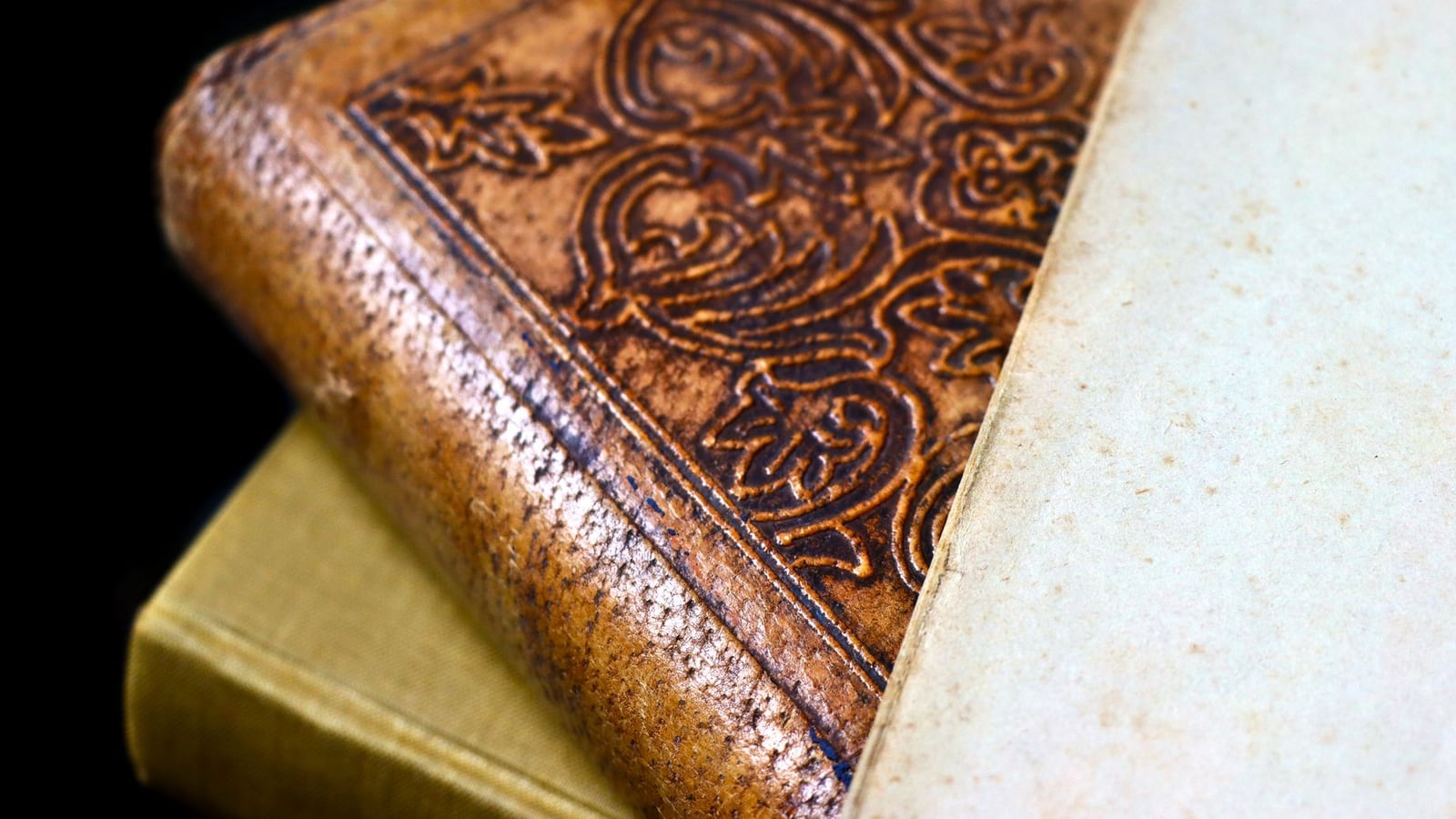
Before choosing a style, you must define the book's primary function. A journal intended for daily sketching requires a binding that opens completely flat, whereas a formal portfolio or a thesis requires a structure that protects the edges of the paper and maintains a rigid shape. In the humid climate of New South Wales, the choice of materials—such as archival linen or goatskin leather—also plays a role in how the binding reacts to environmental shifts over decades.
For those seeking a professional finish for a manuscript, custom book binding provides a range of options from traditional hardcovers to more avant-garde structures. The goal is to ensure that the mechanical stress of opening and closing the book does not compromise the integrity of the signatures.
The Classic Case-Bound Approach
Case binding is the most recognisable form of bookmaking. It involves sewing the pages into signatures and then attaching them to a separate hard cover (the case). This method is ideal for books that will be stored on a shelf and referenced occasionally. It offers maximum protection for the interior pages and allows for a spine that can be titled for easy identification.
In our Sydney workshop, we typically use archival linen or premium leather for case binding. This is the standard choice for professional portfolios, corporate records, and high-end gift editions where a formal, structured appearance is paramount.
Coptic Binding: The Artist's Choice
Coptic binding is one of the oldest forms of bookbinding, characterised by its exposed spine and chain-stitch sewing. The primary advantage of Coptic binding is its ability to lay completely flat when opened, making it the gold standard for artists' journals and sketchbooks.
Because there is no outer case, the beauty of the sewing is visible. This style is often paired with handmade paper to create a tactile, organic object. If your project involves frequent writing or drawing across the gutter of the page, Coptic binding is the most functional choice.
Japanese Hole-Punch Binding
Japanese binding is a decorative and structural technique where pages are stacked and sewn through holes punched near the spine. Unlike Western styles, the pages are not folded into signatures. This results in a book that does not open flat but possesses a striking, minimalist aesthetic.
This method is frequently used for thin volumes, poetry collections, or art books where the visual impact of the exterior thread is part of the design. It is an excellent way to bind loose-leaf documents into a permanent, elegant volume without requiring a complex sewing process.
French Binding and Specialized Techniques
French binding often refers to a refined approach to case binding with a focus on elegant proportions and often a "hollow" back that allows the book to open without stressing the spine. It is the preferred method for luxury editions and family heirlooms that require a balance between durability and sophistication.
When choosing between these styles, consider the "heirloom factor." If the book is meant to be passed down through generations, the combination of French-style sewing and goatskin leather provides the longest lifespan.
Binding Comparison Matrix
| Binding Style | Opening Angle | Protection | Best For |
|---|---|---|---|
| Case-bound | Partial | High | Formal books, Thesis |
| Coptic | 180° (Flat) | Low | Sketchbooks, Journals |
| Japanese | Limited | Medium | Art portfolios, Poetry |
| French | Moderate | High | Luxury editions, Heirlooms |
Final Selection Checklist
To make your final decision, run through the following requirements:
- Usage: Does it need to lay flat for writing? (Choose Coptic).
- Longevity: Is it a permanent record for the next 50 years? (Choose Case-bound with leather).
- Aesthetics: Should the binding be invisible or a decorative feature? (Invisible: Case-bound; Decorative: Japanese/Coptic).
- Content: Are the pages already printed as loose sheets or folded signatures? (Loose sheets: Japanese).
Preservation and Next Steps
Once you have selected your binding, the next priority is maintenance. A beautifully bound book can still be damaged by direct sunlight or extreme humidity. We recommend reading our guide on preserving antique books at home to ensure your new volume remains in pristine condition.
If you are unsure which method suits your specific materials, we invite you to visit our Surry Hills studio for a consultation. We can examine your paper weight and page count to suggest the most stable structure.
To start your project or request a detailed quote based on these styles, please contact our workshop. Our artisans will guide you through the selection of archival linens and leathers to complement your chosen binding style.